Starting your own tool collection can feel overwhelming, especially when prices vary so much. The good news is that good tools don’t have to be expensive. With a little planning and smart shopping, you can build a reliable toolkit without draining your wallet. Here’s how to get the most value for your money.
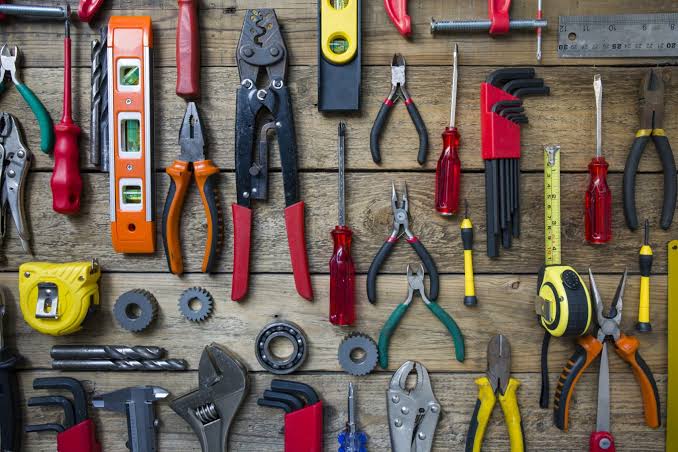
Buy what you need first. It’s tempting to grab a giant tool set, but many pieces may go unused. Start with the essentials — an adjustable wrench, a screwdriver set, pliers, and a good hammer. As your projects grow, add tools that match your needs. This keeps your spending focused and practical.
Choose quality over quantity. One well-made tool will outlast several cheap ones. Look for sturdy materials like high-carbon steel, comfortable grips, and solid construction. Paying a little more upfront often saves money in the long run because you won’t have to keep replacing broken tools.
Read reviews. Before buying, check what other customers say. Reviews reveal how a tool performs in real, everyday use — including details you won’t find in the product description. Look for patterns in feedback rather than a single opinion.
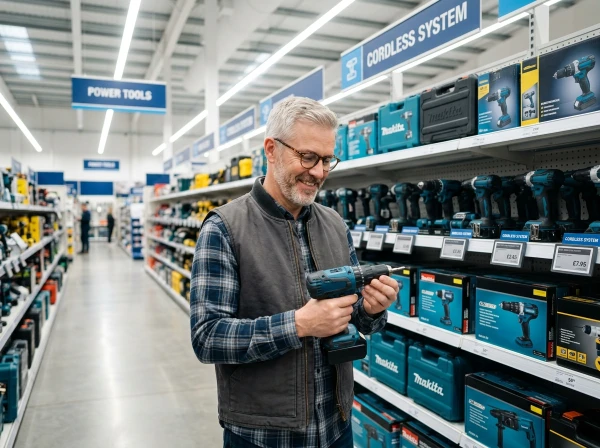
Watch for deals. Sales, seasonal discounts, and bundle offers can save you a lot. Just make sure you’re not sacrificing quality for a lower price. A cheap tool that breaks quickly is never a good deal.
Take care of your tools. Once you’ve invested in quality gear, protect it. Clean your tools after use, keep them dry to prevent rust, and store them in a toolbox or on a wall rack. Well-maintained tools can last for decades.
Building a great toolkit is a step-by-step journey, not a one-time purchase. Focus on quality basics, shop with patience, and expand your collection as you learn. Over time, you’ll have a dependable set of tools you can trust for any project — all without overspending.